
Fast Facts: Preparing for and Surviving El Niño Conditions
May 2026
by the Green Solutions Team
The Fastest Facts
|
Characterized by cooler temperatures, increased cloud cover, and significantly elevated rainfall, El Niño conditions can quickly expose weaknesses in turf systems. While much of the focus tends to fall on surviving difficult winter conditions, experienced superintendents understand success during an El Niño season is determined months before using a long-range, integrated approach. El Niño creates a convergence of three major issues: increased moisture, decreased growing potential, and increased disease pressure. Here’s some tips on how to prepare:
Increased rainfall - often 10–40% above normal and occasionally higher in intense rain events will lead to prolonged soil saturation, reduced oxygen in the rootzone, and compromised playing conditions. Mud balls, plugged lies, and soft surfaces can become routine during peak play periods. This increased rainfall may also lead to shortened windows of control from residual pesticides due to product movement through soil profiles.
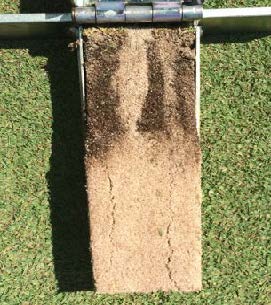
Figure 1. Sand incorporation to create channels through organic layers improves water infiltration. (Envu) |
Preparing now:
- Implement management practices that discourage excessive thatch and organic matter including verticutting, hollow-tine aerification, topdressing, and sand injection. Some thatch is good, providing a cushion to help with traffic tolerance, but layers over ½” begin to function more as sponges, necessitating increased aerification creating infiltration channels (Fig. 1)
- Install drainage in low lying areas to encourage movement offsite
- Identify and eliminate any collar dams built up over the years
Mintenance this fall/winter
- Continue solid tine venting, when possible, to create small channels increasing air exchange and water movement
- Monitor water content and adjust irrigation accordingly. Decreased evapotranspiration rates and increased humidity reduce irrigation needs
Reduced sunlight and cooler temps limit chlorophyll production and photosynthesis, slowing bermudagrass growth and recovery when it is needed most. This results in prolonged visual stress through the shoulder seasons until warmer temperatures in spring
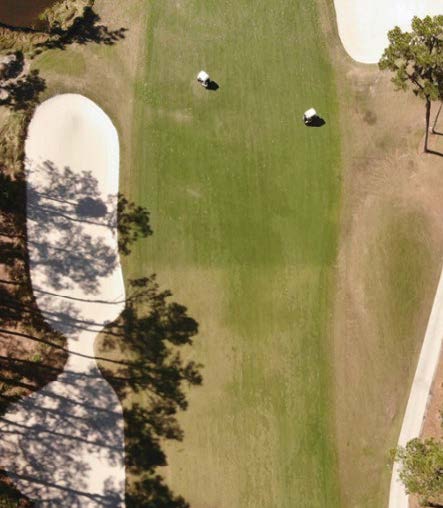
Figure 2. Stressgard® formulated fungicides enhance chlorophyll and photosynthesis of stressed turf and create greener, healthier conditions. (Envu) |
Preparing now:
- Identify areas of limited sunlight or air movement and prune accordingly
- Rotate traffic patterns to reduce unnecessary wear on historically problematic areas
Maintenance this fall/winter
- Increase height of cut to maximize leaf surface for photosynthesis. While this will lead to slower green speeds, it increases energy and root production aiding turf performance in mid-to-late winter
- Divert cart traffic regularly to avoid excessive wear
- Black or green topdressing sand absorbs sunlight and can increase canopy temperatures, thus increasing turf growth in stressed areas
- Stressgard formulated products have been proven to increase stress tolerance of bermudagrass under shade or traffic (Fig 2)
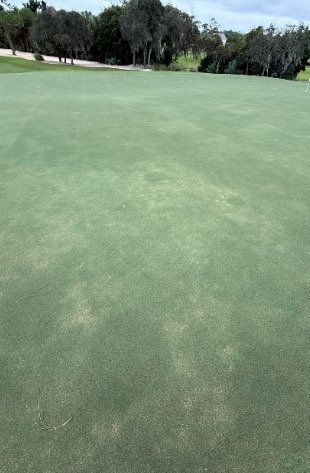
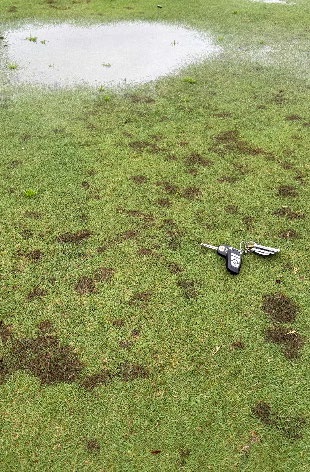
Disease pressure increases with moderate temperatures and increased moisture, particularly on weakened turf. Promoting healthier plants with previously described practices discourages disease development, but it does not eliminate disease potential. As soil temperatures begin to decrease, pathogens causing Pythium root rot, mini-ring, take-all root, and large patch begin infecting root and crown systems while foliar diseases plague leaf surfaces (Fig 3).
|
 |
|
Figure 3. Pythium root rot (left) and Bipolaris leaf spot (right) are two of the most common diseases during El Niño (Envu) |
|
Preparing now:
- As soil temperatures decrease below 80F in mid-late summer, root-targeted fungicide applications should begin. Due to the variability of disease-causing pathogens, it is recommended to rotate differing FRAC codes to ensure optimal control. The Envu fungicide programs feature rotations of upwards of five different FRAC codes (Table 1)
- Root-targeted applications should be watered-in immediately with approximately 1/8” irrigation
Maintenance this fall/winter
- Continue root-targeted fungicide programs for root and crown diseases
- Incorporate biweekly rotations of foliar-applied Signature® XTRA Stressgard®, Interface® Stressgard, Banol®, and Daconil® for preventative control of Pythium blight, Bipolaris leaf spot, and Microdochium patch
Final takeaway – El Niño seasons amplify weaknesses in golf course turf, but proactive superintendents taking a season-long approach can significantly reduce risk and maintain acceptable playing conditions. The most successful programs are those that build resilience in summer, adjust expectations in fall, and protect turf through winter.
For more information about preparing for and surviving El Niño conditions, download the solution sheet or contact your local Envu Area Sales Manager.