
Suspend® PolyZone® Insecticide Delivers Long-Lasting Indoor and Outdoor Pest Control with Fewer Re-Treatments.
By Envu® Technical Services
In professional pest management, achieving control of pests on day one is only part of the job. The bigger challenge is keeping control between service visits — across different pests, indoor and outdoor areas and the surfaces pests move across every day. Structural pests, occasional invaders and seasonal pests such as ants, cockroaches, spiders, crickets, earwigs, boxelder bugs, stink bugs and overwintering flies don’t stay on one surface. They move across floors, walls, entry points, foundations, siding and landscape features, often under dirty or weather-exposed conditions. That means an insecticide must perform beyond clean test surfaces and hold up on porous, greasy, dusty, wet and weather-exposed materials found in real accounts.
Whether indoors or outdoors, performance depends not only on the active ingredient (AI), but on how the formulation behaves once it contacts the surface. Concrete, painted walls, vinyl, wood, tile, grout, baseboards, siding and landscape materials all interact differently with residues. Seasonal invaders such as ants trailing indoors, spiders moving in from eaves, or overwintering pests entering through cracks and gaps may cross several surface types in a short time, placing added pressure on residual performance.
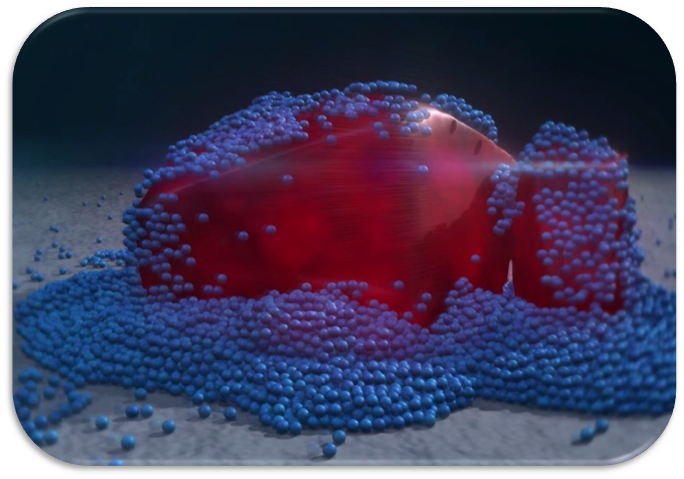
Figure 1. Polymer beads in Suspend® PolyZone® insecticide partially embed deltamethrin crystals on the surface, helping keep it in place and available over time.
Over time, these varying surface interactions can reduce the longevity of control. Insecticide performance ultimately depends on the interaction between the product, the surface and the environment. Porous and alkaline materials such as concrete, plaster and unfinished wood can absorb insecticides or speed up breakdown, leaving less AI available to interact with the pest. Even painted or semi-porous surfaces can shorten residual life as deposits move or dissipate. Surfaces are rarely clean. Grease, oils, dust, food residue and general grime which are common in kitchens, food service areas, equipment voids and mechanical rooms, can tie up insecticides and reduce pickup from crawling insects such as cockroaches and ants. Research has shown that polymer-enhanced formulations can maintain high efficacy on dirty and greasy surfaces for at least two months, even when residues are aged before insect exposure. Outdoors, residues are further challenged by rain, irrigation, humidity and sunlight, all of which can reduce the amount of AI remaining on the surface over time.
Suspend PolyZone: Built to Keep Residues Where You Apply Them
This is where formulation becomes critical. Suspend PolyZone insecticide combines deltamethrin with a polymer-enhanced formulation designed to protect the deposit after application. Rather than relying only on an AI, Suspend PolyZone technology focuses on keeping the insecticide where it’s applied. Once dry, the formulation forms a protective layer that helps hold the AI on the surface, limits absorption into porous materials, reduces interference from grease and dirt and improves resistance to wear. Essentially, applications of Suspend PolyZone continue working overtime, continuously exposing pests that contact treated surfaces to maximize effectiveness and deliver confidence throughout the service interval. As a complementary crack-and-crevice treatment, Suspend® Contact & Residual Aerosol provides rapid knockdown and long-lasting residual control deep into the spaces where pests hide in those hard-to-reach areas.
Data presented at the International Conference on Urban Pests (ICUP) supports this approach. In these studies, insecticide residues were applied to common substrates and then aged under outdoor conditions, including exposure to rain, irrigation and sunlight, before mosquitoes were introduced under controlled test conditions. Suspend PolyZone holds up longer on treated surfaces than standard pyrethroids, delivering extended residual control in side-by-side testing. Also, on ceramic tile, Suspend PolyZone maintained high levels of German cockroach control for up to 12–13 weeks (approximately 90 days1) after weathering. In mosquito barrier evaluations on vinyl siding and plant foliage, Suspend PolyZone-treated surfaces maintained efficacy after exposure to more than 10 inches of cumulative rainfall while other formulations showed a faster decline in activity. These results show that the polymer formulation helps keep the AI on the surface and works regardless of weather conditions, creating a powerful perimeter solution for outdoor pest control.
This durability is especially important for mosquito programs, where barrier treatments target resting sites used by Aedes, Culex and other mosquitoes, are routinely exposed to rainfall and irrigation. When residues move or dilute, mosquito contact and control can drop quickly. The Suspend PolyZone formulation stays adhered on the surface after rainfall, and increases the chance that resting mosquitoes will contact lethal doses days or weeks later.
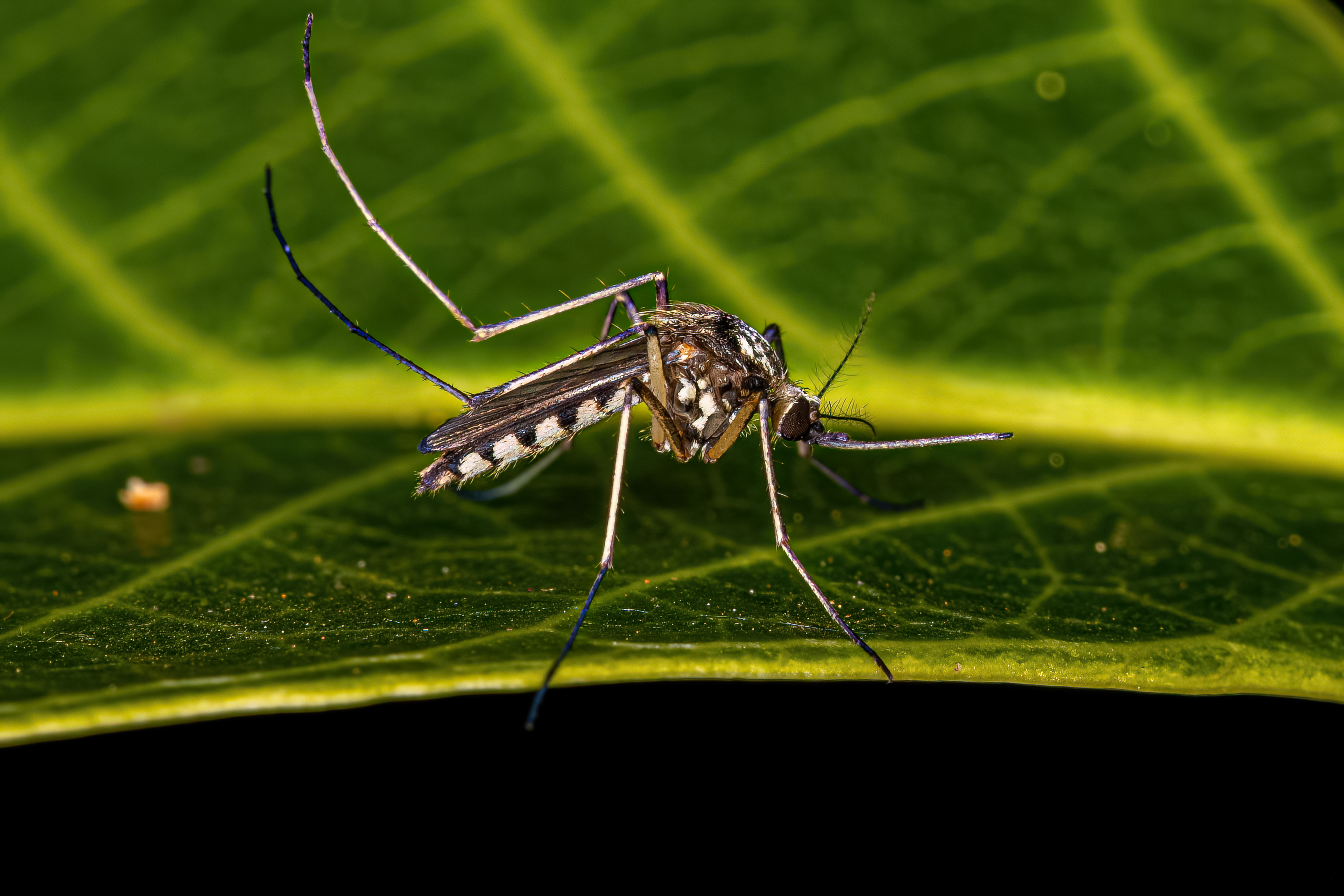
Figure 2. Adult mosquito resting on foliage, where Suspend PolyZone helps maintain residue availability under outdoor conditions.
For pest management professionals (PMPs), longer-lasting residues translate into practical benefits: fewer callbacks, fewer spot re-treatments and more consistent results across indoor treatments, perimeters and outdoor mosquito work. This is especially important in kitchens, food service areas, entry points, foundations and landscape features — places where cleaning, grease and water exposure often shorten residual life and where pests such as ants, spiders, crickets and occasional invaders are most encountered.
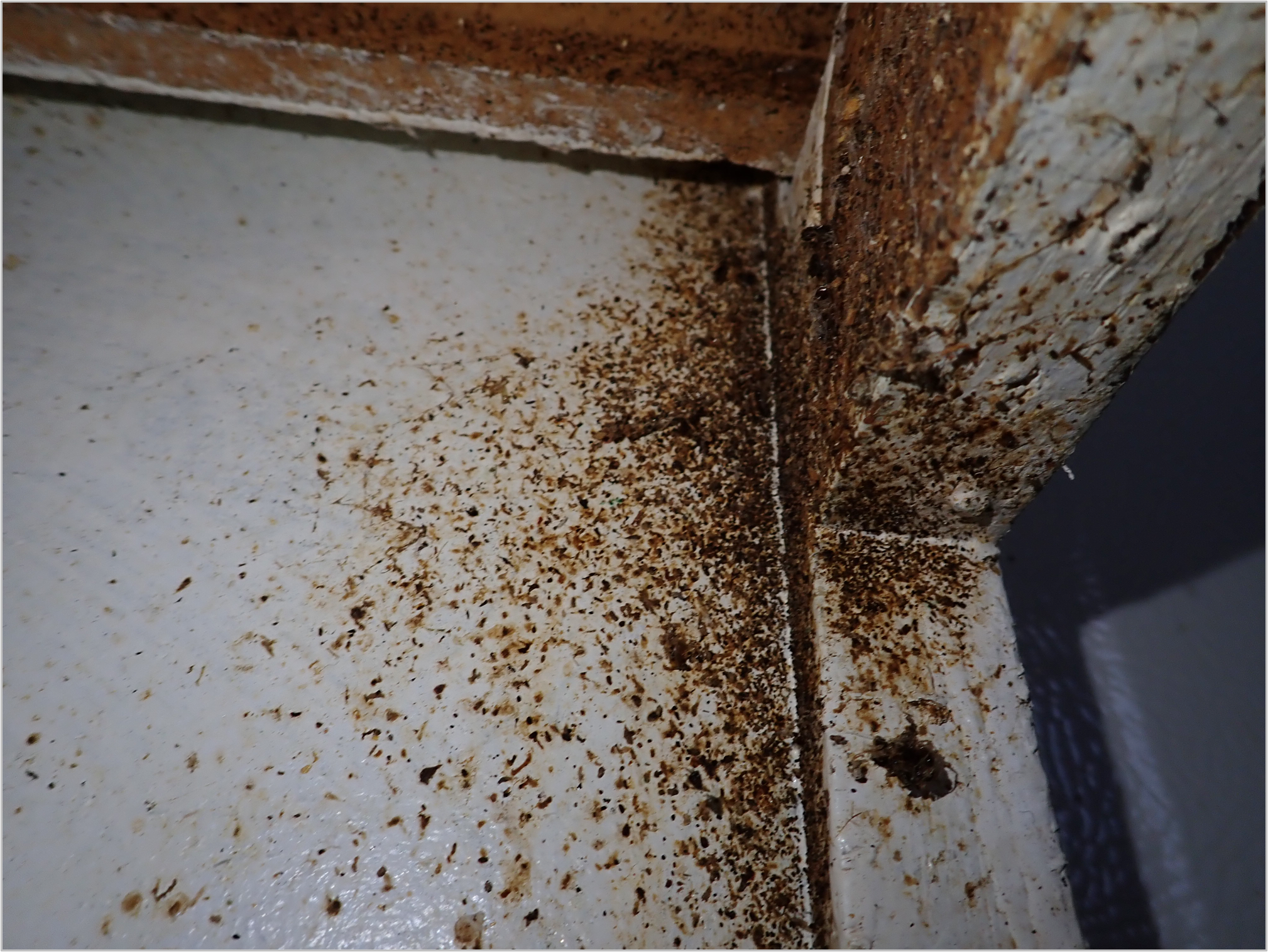
Figure 3. German cockroach aggregation with heavy fecal contamination, a common challenge where Suspend PolyZone is designed to perform on dirty surfaces.
Suspend PolyZone technology also fits well into integrated pest management (IPM) programs. By extending residual life across various surfaces and conditions, it supports longer intervals between applications and better coordination with sanitation, exclusion and monitoring. Instead of compensating for short residuals, PMPs can focus on placement and control pests from every angle.
Find more general insect control resources, including information about Suspend PolyZone insecticide and Suspend Contact & Residual Aerosol at www.us.envu.com/professional-pest-management/general-insect-control